

Xinjiang Petroleum Geology ›› 2025, Vol. 46 ›› Issue (6): 762-772.doi: 10.7657/XJPG20250612
• APPLICATION OF TECHNOLOGY • Previous Articles Next Articles
DU Xuebiao1( ), ZHANG Jinfeng1(), XIAO Dianshi2, RAN Yang1, LIU Yingjie2, QIN Jiamin1, WANG Liangzhe1
Received:2025-04-22
Revised:2025-09-08
Online:2025-12-01
Published:2025-12-05
Contact:
ZHANG Jinfeng
E-mail:dxb_zy@petrochina.com.cn;zhjf@petrochina.com.cn
CLC Number:
DU Xuebiao, ZHANG Jinfeng, XIAO Dianshi, RAN Yang, LIU Yingjie, QIN Jiamin, WANG Liangzhe. NMR Effective Porosity Spectrum Prediction and Resolution Matching Based on ReliefF and LSBoost Ensemble Tree[J]. Xinjiang Petroleum Geology, 2025, 46(6): 762-772.
Add to citation manager EndNote|Reference Manager|ProCite|BibTeX|RefWorks
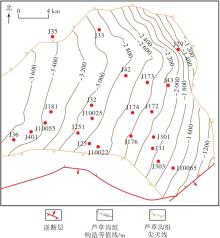
Fig. 1.
Structural characteristics of the Lucaogou formation in the Jimsar sag"
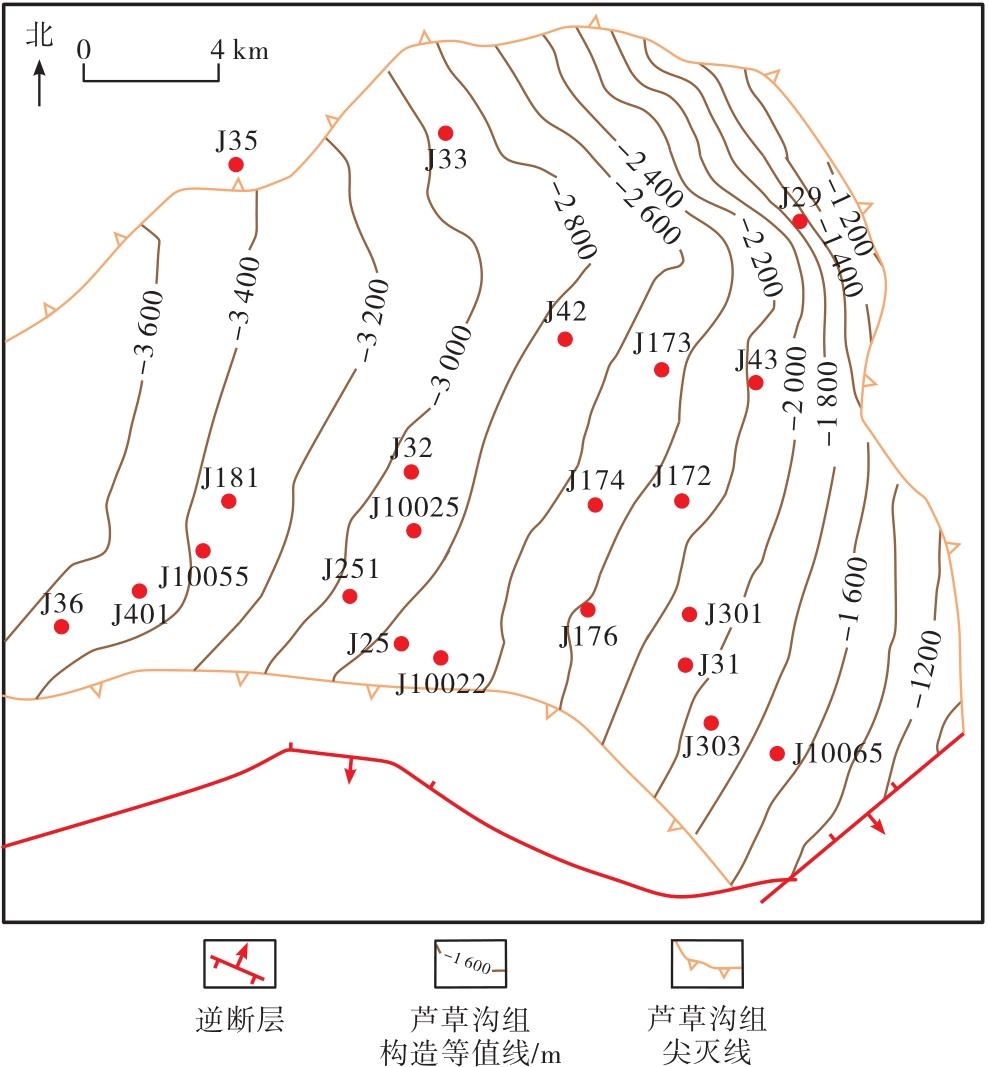
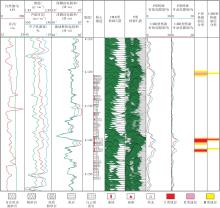
Fig. 2.
Comparison of interpretation results of different NMR logs"

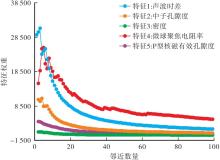
Fig. 3.
Feature weight vs. number of neighbors"
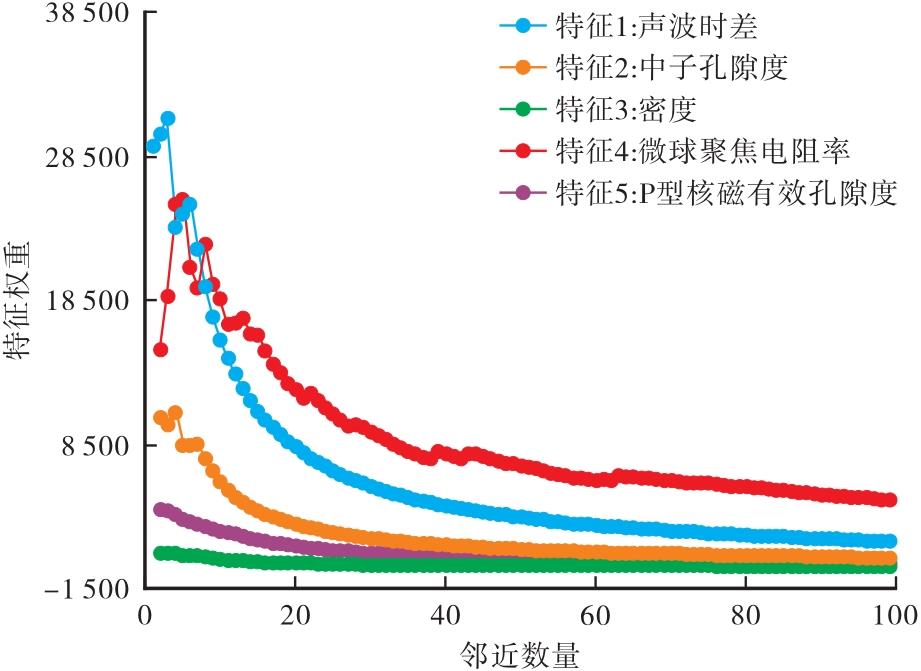
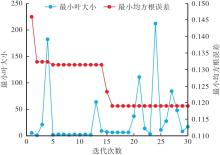
Fig. 4.
Minimum MSE derived through Bayesian optimization using the DT model"
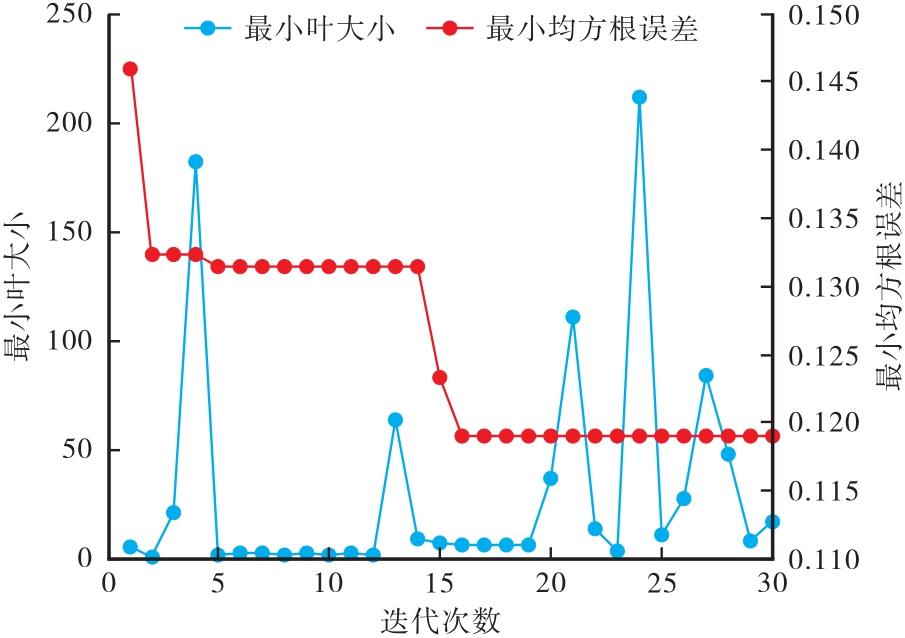
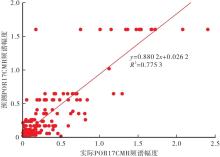
Fig. 5.
Performance of the DT model in predicting the spectral amplitude of NMR effective porosity log"
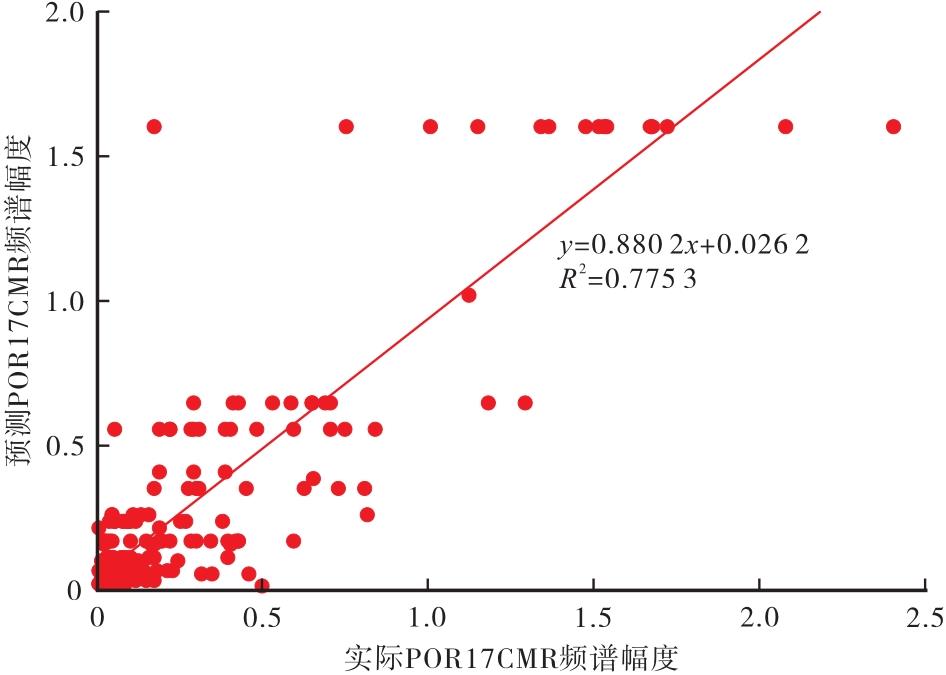
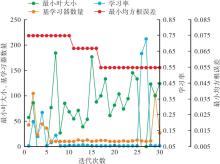
Fig. 6.
Minimum MSE derived through Bayesian optimization using the LSBoost ensemble tree model"
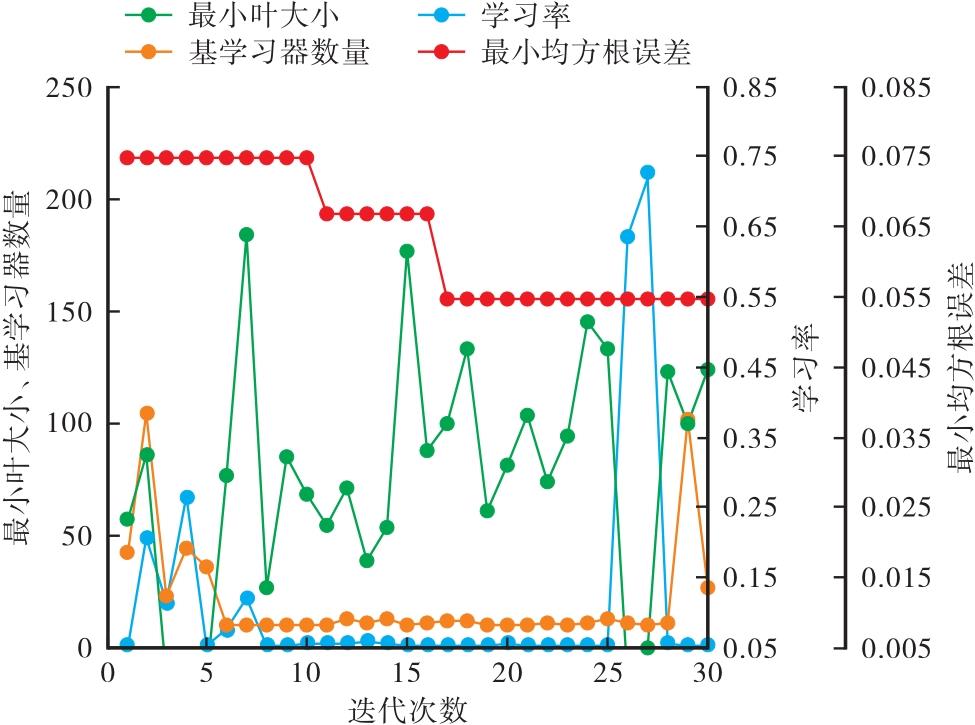
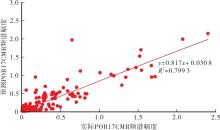
Fig. 7.
Performance of the LSBoost ensemble tree model in predicting the spectral amplitude of NMR effective porosity log"
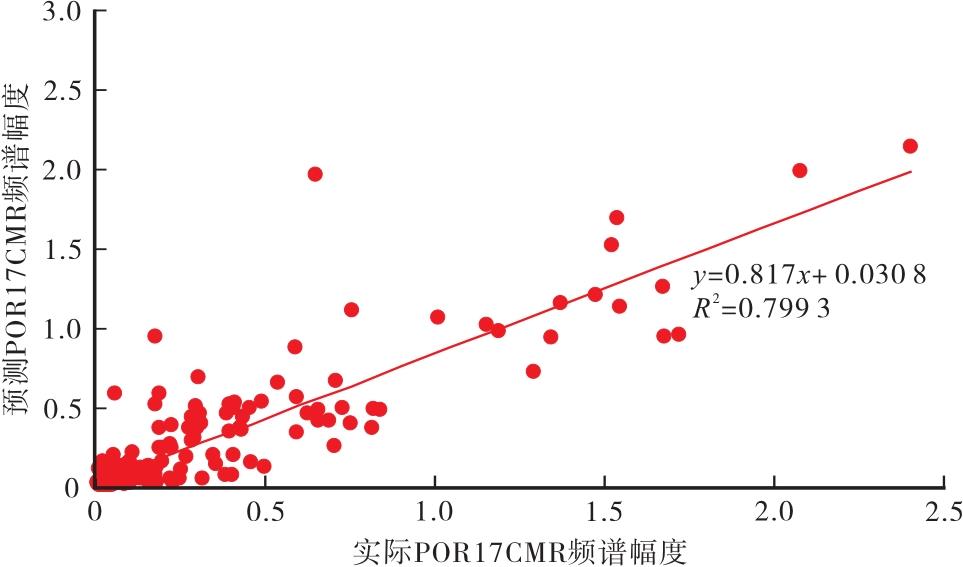
Fig. 8.
Performance of the LSBoost ensemble tree model in fitting against the data of thick layers"
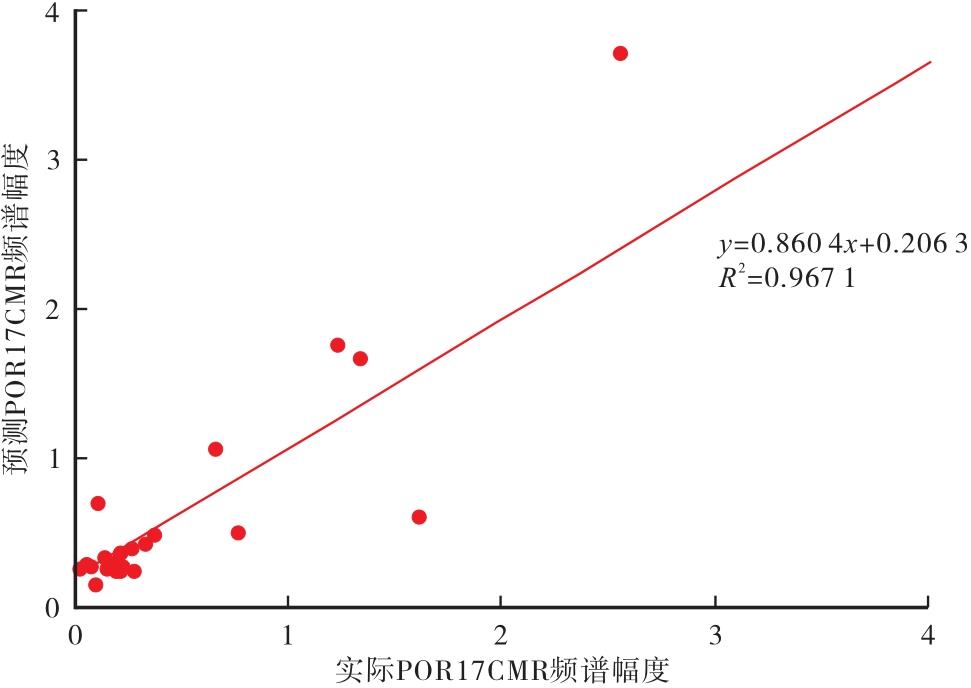
Fig. 9.
Spectral characteristics of different NMR effective porosities for Well X32"
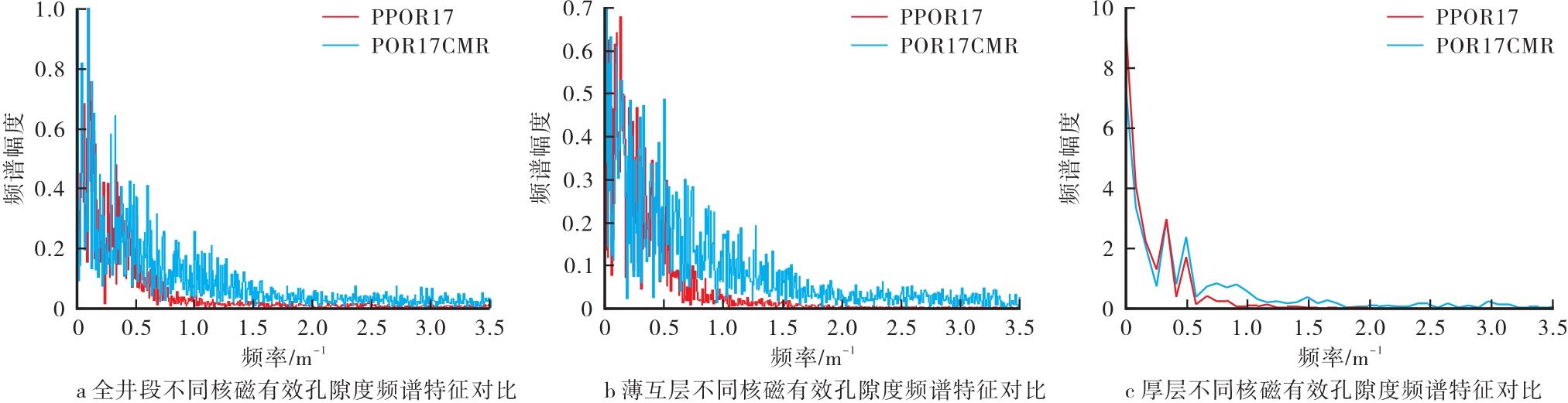
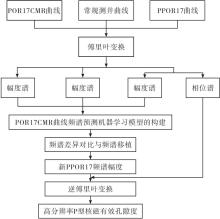
Fig. 10.
Workflow of resolution matching among different NMR effective porosity logs"
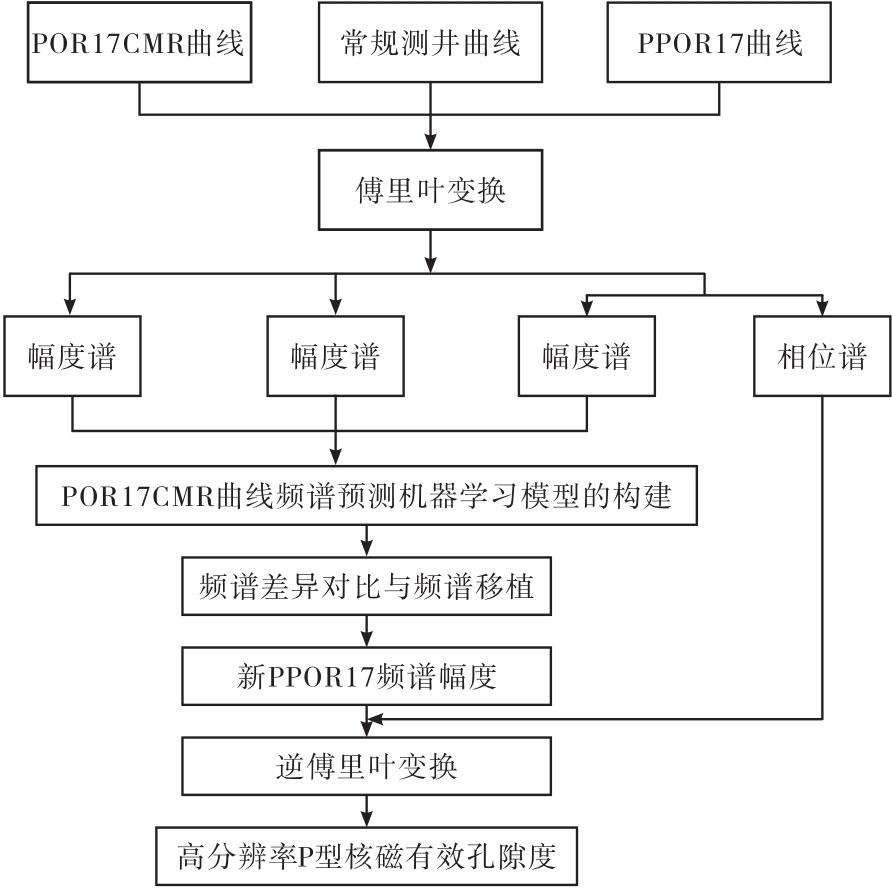
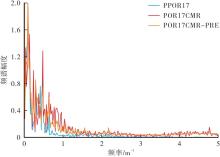
Fig. 11.
Comparison of spectral amplitudes of POR17CMR-PRE, PPOR17 and POR17CMR curves"
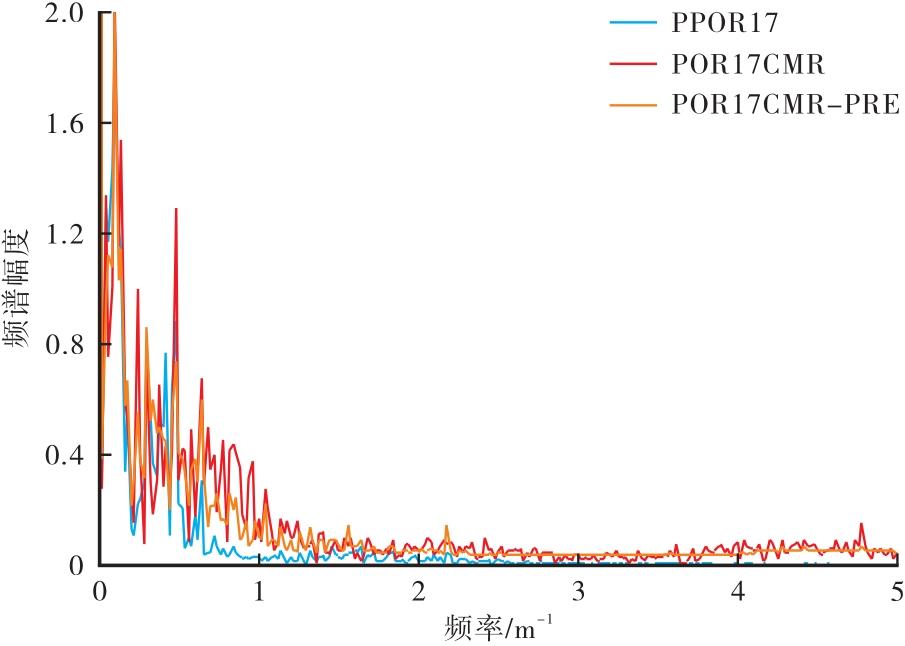
Fig. 12.
Comparison of PPOR17G, POR17CMR and PPOR17 curves"
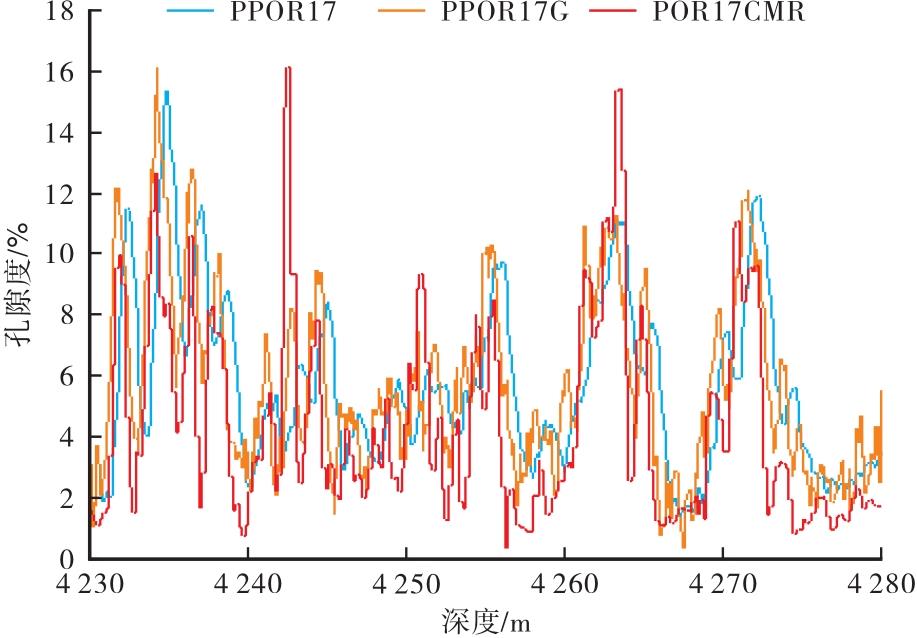
Fig. 13.
Prediction using reconstructed P-type NMR effective porosity log and division of oil layer thickness for Well X32 (3 715-3 735 m)"

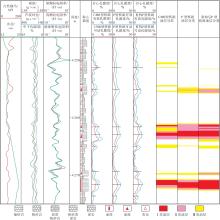
Fig. 14.
Prediction using reconstructed P-type NMR effective porosity log and division of oil layer thickness for Well X414 (4 246-4 275 m)"

| [1] | 崔景伟, 朱如凯, 杨智, 等. 国外页岩层系石油勘探开发进展及启示[J]. 非常规油气, 2015, 2(4):68-82. |
| CUI Jingwei, ZHU Rukai, YANG Zhi, et al. Progresses and enlightenment of overseas shale oil exploration and development[J]. Unconventonal Oil & Gas, 2015, 2(4):68-82. | |
| [2] | 慕倩, 李高仁, 张文静, 等. 基于核磁共振测井的致密砂岩储集层有效性评价[J]. 新疆石油地质, 2025, 46(1):121-126. |
| MU Qian, LI Gaoren, ZHANG Wenjing, et al. Evaluation of the effectiveness of tight sandstone reservoirs based on nuclear magnetic resonance logging[J]. Xinjiang Petroleum Geology, 2025, 46(1):121-126. | |
| [3] | 覃建华, 李映艳, 杜戈峰, 等. 基于核磁共振测井的页岩油产能分析及甜点评价[J]. 新疆石油地质, 2024, 45(3):317-326. |
| QIN Jianhua, LI Yingyan, DU Gefeng, et al. Analysis of shale oil productivity and sweet spot evaluation based on nuclear magnetic resonance logging[J]. Xinjiang Petroleum Geology, 2024, 45(3):317-326. | |
| [4] | 张文艺, 张冲, 孙康, 等. 提高薄储层测井曲线纵向分辨率方法研究进展综述[J]. 地球物理学进展, 2024, 39(1):291-304. |
| ZHANG Wenyi, ZHANG Chong, SUN Kang, et al. A review of research progress on methods for improving vertical resolution of logging curves in thin reservoirs[J]. Progress in Geophysics, 2024, 39(1):291-304. | |
| [5] | 刘露玲. 多道反褶积技术及其在电法测井资料处理中的应用[D]. 河北秦皇岛: 燕山大学, 2012. |
| LIU Luling. Multi-step deconvolution techniques and their application in the processing of electrical logging data[D]. Qinhuangdao, Hebei: Yanshan University, 2012. | |
| [6] |
CONAWAY J G. Direct determination of the gamma-ray logging system response function in field boreholes[J]. Geoexploration, 1980, 18(3):187-199.
doi: 10.1016/0016-7142(80)90030-7 |
| [7] | FLAUM C, GALFORD J E, HASTINGS A. Enhanced vertical resolution processing of dual detector gamma-gamma density logs[J]. The Log Analyst, 1989, 30(3):139-149. |
| [8] | 苏艳丽. 提高测井曲线分辨率的方法研究及应用[D]. 武汉: 长江大学, 2012. |
| SU Yanli. Research and application on methods to improve logging curve resolution[D]. Wuhan: Yangtze University, 2012. | |
| [9] | 刘国庆, 刘江, 张美玲, 等. 自然伽马测井曲线高分辨率处理方法[J]. 测井技术, 2002, 26(3):194-197. |
| LIU Guoqing, LIU Jiang, ZHANG Meiling, et al. High-resolution processing method for natural gamma logging curves[J]. Well Logging Technology, 2002, 26(3):194-197. | |
| [10] | 成楠楠. 提高薄层分辨率的方法研究[D]. 武汉: 长江大学, 2012. |
| CHENG Nannan. Research on methods to improve thin layer resolution[D]. Wuhan: Yangtze University, 2012. | |
| [11] | 文环明, 庄庆德, 马晓红. 测井曲线的分数布朗插值[J]. 测井技术, 2005, 29(5):48-51. |
| WEN Huanming, ZHUANG Qingde, MA Xiaohong. Fractional Brownian interpolation of logging curves[J]. Well Logging Technology, 2005, 29(5):48-51. | |
| [12] | 冯国庆, 杨琨, 陈忠强, 等. 提高测井曲线纵向分辨率的小波变换技术[J]. 新疆石油地质, 2004, 25(5):529-531. |
| FENG Guoqing, YANG Kun, CHEN Zhongqiang, et al. Wavelet transform technology for improving the vertical resolution of logging curves[J]. Xinjiang Petroleum Geology, 2004, 25(5):529-531. | |
| [13] | 史晓锋, 李铮, 易京兵. 应用小波分析改善随钻电阻率测量的纵向分辨率[J]. 西安石油学院学报(自然科学版), 2002, 17(6):28-31. |
| SHI Xiaofeng, LI Zheng, YI Jingbing. Application of wavelet analysis to improve the longitudinal resolution of logging-while-drilling resistivity measurements[J]. Journal of Xi’an Petroleum Institute (Natural Science Edition), 2002, 17(6):28-31. | |
| [14] |
李宁, 徐彬森, 武宏亮, 等. 人工智能在测井地层评价中的应用现状及前景[J]. 石油学报, 2021, 42(4):508-522.
doi: 10.7623/syxb202104008 |
|
LI Ning, XU Binsen, WU Hongliang, et al. Current status and prospects of artificial intelligence in well logging formation evaluation[J]. Acta Petrolei Sinica, 2021, 42(4):508-522.
doi: 10.7623/syxb202104008 |
|
| [15] | 曹志民, 丁璐, 韩建, 等. 基于集成机器学习的测井曲线大尺度差异超分辨[J]. 吉林大学学报(地球科学版), 2025, 55(2):670-685. |
| CAO Zhimin, DING Lu, HAN Jian, et al. Large-scale super-resolution of logging curves based on ensemble machine learning[J]. Journal of Jilin University (Earth Science Edition), 2025, 55(2):670-685. | |
| [16] | 高攀. 面向页岩储层精细描述的测井曲线超分辨方法研究[D]. 黑龙江大庆: 东北石油大学, 2022. |
| GAO Pan. Research on super-resolution methods for well logging curves oriented to fine description of shale reservoirs[D]. Daqing, Heilongjiang: Northeast Petroleum University, 2022. | |
| [17] |
肖佃师, 高阳, 彭寿昌, 等. 准噶尔盆地吉木萨尔凹陷混积岩孔喉系统分类及控制因素[J]. 石油勘探与开发, 2021, 48(4):719-731.
doi: 10.11698/PED.2021.04.05 |
| XIAO Dianshi, GAO Yang, PENG Shouchang, et al. Classification and controlling factors of the pore-throat system of the mixed sedimentary rocks in the Jimsar depression of the Junggar Basin[J]. Petroleum Exploration and Development, 2021, 48(4):719-731. | |
| [18] | 尚军, 南凯麒, 王明洋. 基于快速傅里叶变换与小波变换的GNSS坐标时序时空演化特征分析[J]. 天津城建大学学报, 2024, 30(6):410-418. |
| SHANG Jun, NAN Kaiqi, WANG Mingyang. Analysis of GNSS coordinate time series spatiotemporal evolution characteristics based on fast Fourier transform and wavelet transform[J]. Journal of Tianjin University of Urban Construction, 2024, 30(6):410-418. | |
| [19] | 陈嘉昊. 致密砂岩储层测井产能智能分类方法及应用[D]. 北京: 中国石油大学(北京), 2023. |
| CHEN Jiahao. Intelligent classification method and application of logging productivity for tight sandstone reservoirs[D]. Beijing: China University of Petroleum(Beijing), 2023. | |
| [20] | 孙昕远. 基于ReliefF特征选择及随机森林企业停运标记不合规识别方法[J]. 环境科学与技术, 2024, 47(11):229-236. |
| SUN Xinyuan. Method for identifying non-compliant enterprise shutdown marking based on ReliefF feature selection and random forest[J]. Environmental Science and Technology, 2024, 47(11):229-236. | |
| [21] | 赵文宽, 姚军. 一种基于决策树集成学习的测井曲线预测方法研究[C]// 中国石油学会石油物探专业委员会. 第三届中国石油物探学术年会论文集(四),2025:217-220. |
| ZHAO Wenkuan, YAO Jun. Research on a logging curve prediction method based on decision tree ensemble learning[C]// Chinese Petroleum Society. Petroleum Geophysical Professional Committee. Proceedings of the 3rd China Petroleum Geophysical Academic Annual Conference (Ⅳ),2025:217-220. | |
| [22] | 郭风景, 王斌, 贾澎涛, 等. 基于梯度提升决策树的瓦斯浓度在线预测[J]. 中国煤炭, 2023, 49(10):61-67. |
| GUO Fengjing, WANG Bin, JIA Pengtao, et al. Online prediction of gas concentration based on gradient boosting decision trees[J]. China Coal, 2023, 49(10):61-67. | |
| [23] | 宋延杰, 刘英杰, 唐晓敏, 等. 基于Stacking算法集成学习的页岩油储层总有机碳含量评价方法[J]. 测井技术, 2024, 48(2):163-178. |
| SONG Yanjie, LIU Yingjie, TANG Xiaomin, et al. Evaluation method of total organic carbon content in shale based on Stacking algorithm ensemble learning[J]. Well Logging Technology, 2024, 48(2):163-178. | |
| [24] | 褚庆军, 葛云龙, 童茂松, 等. 基于XGBoost算法的岩性测井曲线预测方法[J]. 测井技术, 2024, 48(6):748-754. |
| CHU Qingjun, GE Yunlong, TONG Maosong, et al. Rock type logging curve prediction method based on XGBoost algorithm[J]. Well Logging Technology, 2024, 48(6):748-754. |
| [1] | JIN Zhijun, CAO Yan, ZHANG Hong, TANG Yong, QIN Zhijun, LIU Kouqi, LIANG Chenggang, LI Guanfang, HE Wenjun. Main Controlling Factors and Development Practice of Shale Oil Sweet Spots in the Lucaogou Formation, Jimsar Sag, Junggar Basin [J]. Xinjiang Petroleum Geology, 2025, 46(6): 647-658. |
| [2] | MAO Xinjun, WANG Ran, ZHENG Menglin, LI Jing, PAN Jin, WANG Tao, HUANG Liliang, CHANG Qiusheng. Pore Genesis and Diagenetic Evolution of Shale Oil Sweet Spot Reservoirs in Lucaogou Formation, Jimsar Sag [J]. Xinjiang Petroleum Geology, 2025, 46(6): 659-667. |
| [3] | CAO Jian, QIN Zhijun, WEI Chao, XIANG Baoli, LIU Jin. Source-Reservoir Coupling and Sweet Spot Formation Mechanism of Continental Laminated Shale Oil: A Case Study of the Fengcheng Formation, Junggar Basin [J]. Xinjiang Petroleum Geology, 2025, 46(6): 668-683. |
| [4] | LIU Jin, BAI Lei, ZHANG Baozhen, WEI Chao, LEI Haiyan, DENG Yuan, CAO Jian. Microscopic Occurrence and Production Dynamics of Shale Oil in Lucaogou Formation, Jimsar Sag, Junggar Basin [J]. Xinjiang Petroleum Geology, 2025, 46(6): 684-692. |
| [5] | ZOU Yang, CHEN Wenshun, LUO Gang, CHEN Shaorong, CHEN Fangwen, HE Wenjun, LIU Xinlong, ZHU Tao. Main Factors Controlling the Enrichment and High Production of Alkaline Lacustrine Shale Oil in Fengcheng Formation, Mahu Sag, Junggar Basin [J]. Xinjiang Petroleum Geology, 2025, 46(6): 693-702. |
| [6] | WEI Zhaosheng, QI Hongyan, ZHAO Jianfei, HE Jixiang, LIU Kecheng, WANG Junchao. Development Progress and Key Technologies for Cost-Effective Productivity of Shale Oil in Junggar Basin [J]. Xinjiang Petroleum Geology, 2025, 46(6): 703-711. |
| [7] | LI Qing, LUO Gang, LI Yingyan, DENG Yuan, XIAO Dianshi, XIE Xiaoquan. Potential of Replacement Areas for Shale Oil Development in the Lucaogou Formation, Jimsar Sag [J]. Xinjiang Petroleum Geology, 2025, 46(6): 712-722. |
| [8] | LIU Xiangjun, GAN Renzhong, XIONG Jian, TANG Shiqi, WAN Youwei, ZHOU Xin, LIANG Lixi, ZHANG Miao. Dominant Geomechanical Factors Controlling the Volumetric Stimulation Effectiveness in the Shale Oil Reservoirs of the Lucaogou Formation, Jimsar Sag [J]. Xinjiang Petroleum Geology, 2025, 46(6): 723-733. |
| [9] | LI Yingyan, DING Yi, LUO Gang, DING Huaiyu, TANG Huiying, HE Ge. Collaborative Optimization of Well Pattern-Fracture Network Based on Geology-Engineering Integration Simulation:A Case Study of Shale Oil in the Jimsar Sag, Junggar Basin [J]. Xinjiang Petroleum Geology, 2025, 46(6): 742-753. |
| [10] | LIN Jiaying, QI Hongyan, CHANG Ting, ZHANG Yunjie, ZHANG Hao, CHEN Gang, LIANG Chenggang, WEI Xiaochen. Numerical Simulation of Strike-Slip Fault Induced Casing Deformation and Optimization of Fracturing Scheme: A Case Study of Shale Oil in Jimsar Sag [J]. Xinjiang Petroleum Geology, 2025, 46(6): 754-761. |
| [11] | YAO Juqin, CHEN Gang, TANG Tingming, ZHAO Chunxue, LI Wei, YU Xuefeng, YU Jianglong. Application of Seismic Frequency-Increasing Method Based on Point Complex Spectrum in Shale Oil Sweet Spot Prediction, Jimsar Sag, Junggar Basin [J]. Xinjiang Petroleum Geology, 2025, 46(6): 773-778. |
| [12] | QI Hongyan, WANG Zhenlin, ZHANG Yanning, LIN Jingqi, HU Xuan, SU Jing, XU Rui, CAO Zhifeng. Classification of Sweet Spots in Shale Oil Reservoir of Lucaogou Formation in Jimsar Sag,Jurggar Basin [J]. Xinjiang Petroleum Geology, 2025, 46(2): 127-135. |
| [13] | YANG Wangwang, WANG Zhenlin, SU Jing, HU Xuan, HUANG Yuyue, LAI Jin, WANG Guiwen. Occurrence Space and Mobility of Shale Oil in Fengcheng Formation, Mahu Sag, Junggar Basin [J]. Xinjiang Petroleum Geology, 2025, 46(2): 192-200. |
| [14] | HUANG Houchuan, CAO Xiaolu, LI Ning, JIA Yufeng, WU Guolong, JU Shichang. Identification and Analysis of Inter-Well Frac-Hit in the Tight Oil Reservoir of Jinlong 2 Well Block, Junggar Basin [J]. Xinjiang Petroleum Geology, 2025, 46(2): 201-207. |
| [15] | NIU Jun, WANG Cong, LIANG Fei. Mineral Features of Chlorite and Laumontite and Their Impacts on Reservoir Physical Properties: A Case Study of Lower Wuerhe Formation in Western Luliang Uplift, Junggar Basin [J]. Xinjiang Petroleum Geology, 2025, 46(1): 13-21. |
| Viewed | ||||||
|
Full text |
|
|||||
|
Abstract |
|
|||||
